


Laser and device-based aesthetic treatments
Attiva
Why choose this treatment?
Attiva
Treatment Summary
| Type of procedure: | Minimally invasive microneedle radiofrequency treatment for skin tightening and improving skin quality |
| Duration of the procedure: | Approximately 45–60 minutes (including anaesthesia) |
| Repetition – how often is it recommended: | Recommended as a course of treatments, typically 1–3 sessions at 4–6 week intervals, followed by an annual maintenance treatment to preserve the results. |

Why choose this treatment
Provides deep-layer tightening
Intensively stimulates collagen production
Natural lifting effect
Visibly improves skin quality
Minimally invasive procedure
Long-lasting results

FAQ
Frequently asked questions
Mild redness or swelling may occur following the treatment and generally subsides on its own within 1–2 days. No extended recovery period is required, and most patients can return to their usual daily activities as early as the next day. To protect the skin, it is advisable to avoid intense sun exposure and to use a high-factor sunscreen (SPF 50) regularly.
• Treatment of fine lines and wrinkles: softening wrinkles and fine lines on the face, around the eyes, on the forehead and on the neck.
• Tightening of sagging, lax skin: firming and contouring loose skin on both the face and the body.
• Improving enlarged pores and uneven skin texture: refining the texture of the skin for a smoother appearance.
• Reducing acne scars and other scarring: improving the structure of the skin and reducing the visibility of scars.
• Treatment of stretch marks: reducing the appearance of pregnancy-related stretch marks and marks caused by sudden weight changes.
• Skin tightening on the body: firming the arms, abdomen, thighs and other areas of concern.
• Improving cellulite: softening the appearance of orange-peel skin and creating a more even skin surface.
Cleansing and anaesthesia: the area to be treated is thoroughly cleansed and disinfected, after which a local anaesthetic cream is applied to enhance patient comfort.
Settings: the treatment handpiece is selected according to the condition of the skin, and the treatment depth of the microneedles is adjusted accordingly.
Microneedle radiofrequency treatment: the microneedles deliver radiofrequency energy into the deeper layers of the skin, stimulating the production of collagen and elastin. A mild warming, pinching or tingling sensation may be felt during the treatment, which typically lasts 30–60 minutes.
Aftercare: at the end of the treatment, the skin is treated with a soothing preparation and sunscreen is applied if needed.
The effects of treatment can already be partially seen after the first session, with the skin appearing firmer and smoother. The true, lasting results, however, develop gradually as the production of collagen and elastin is triggered and intensifies. The most striking improvement typically begins to appear after 4–6 weeks, with the final result fully developing over 2–3 months.
In order to achieve the optimal effect, a course of several sessions is generally recommended, with the condition of the skin continuing to improve from one treatment to the next.
Is the treatment painful? An anaesthetic cream is applied before the procedure for comfort, although mild discomfort may still occur.
What can I expect after the treatment? Temporary redness, mild swelling or sensitivity may occur following the treatment, generally easing gradually within a few hours. During the recovery period, appropriate sun protection is particularly important, and the skin should be protected from direct sunlight. For at least one week, it is advisable to avoid hot baths, saunas, steam rooms and any other influences that could place excessive heat stress on the treated area.
When is the treatment not recommended? It is not recommended during pregnancy or breastfeeding, in cases of active skin infection, inflammation or open wounds in the area to be treated. It should also be avoided in cases of severe skin conditions or recent sunburn.
The use of certain medications (such as anticoagulants) may also be a contraindication.
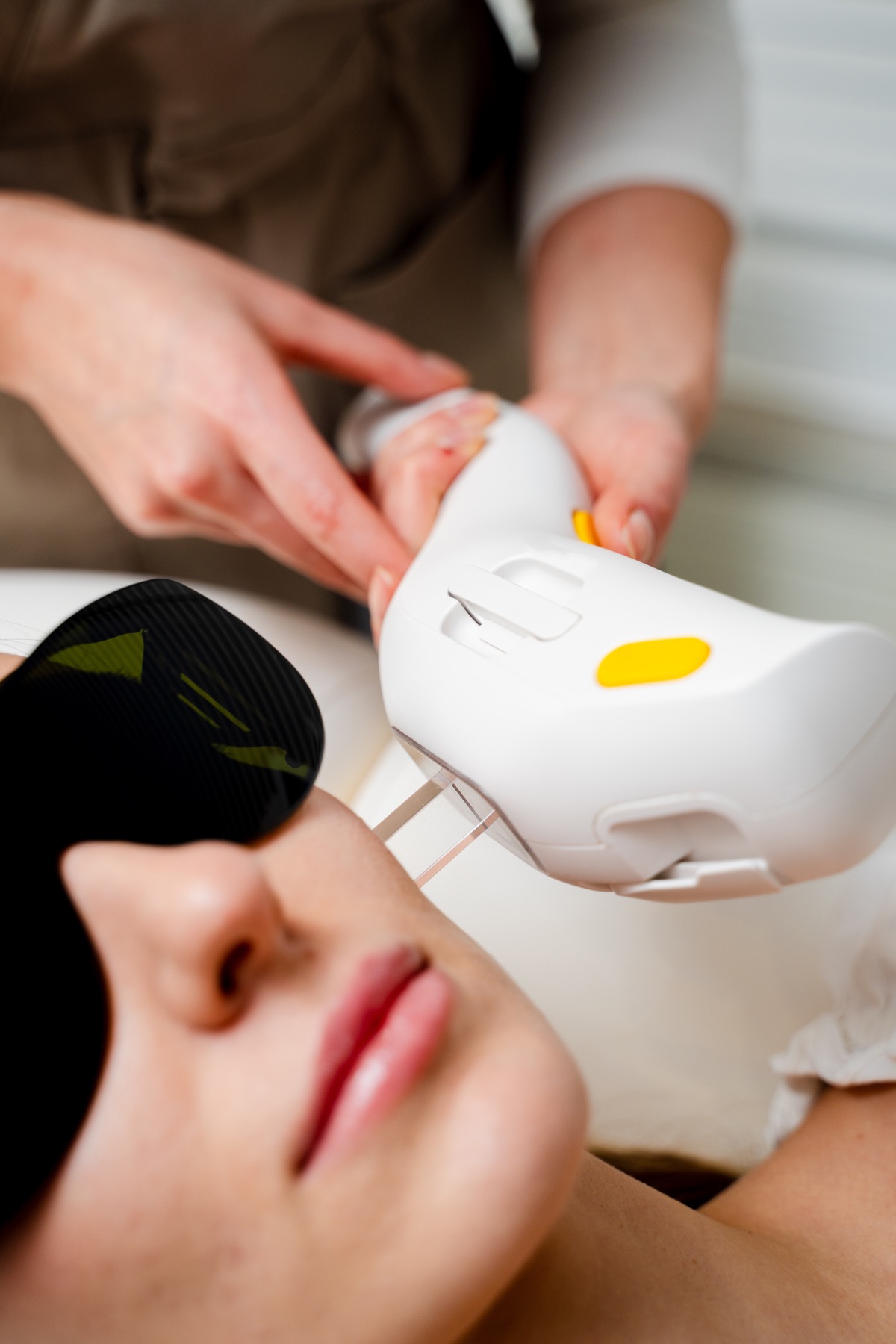
Laser and device-based aesthetic treatments
Nordlys FraxPro
The Nordlys FraxPro™ laser treatment can be used effectively on the face, the backs of the hands and the décol…
Details →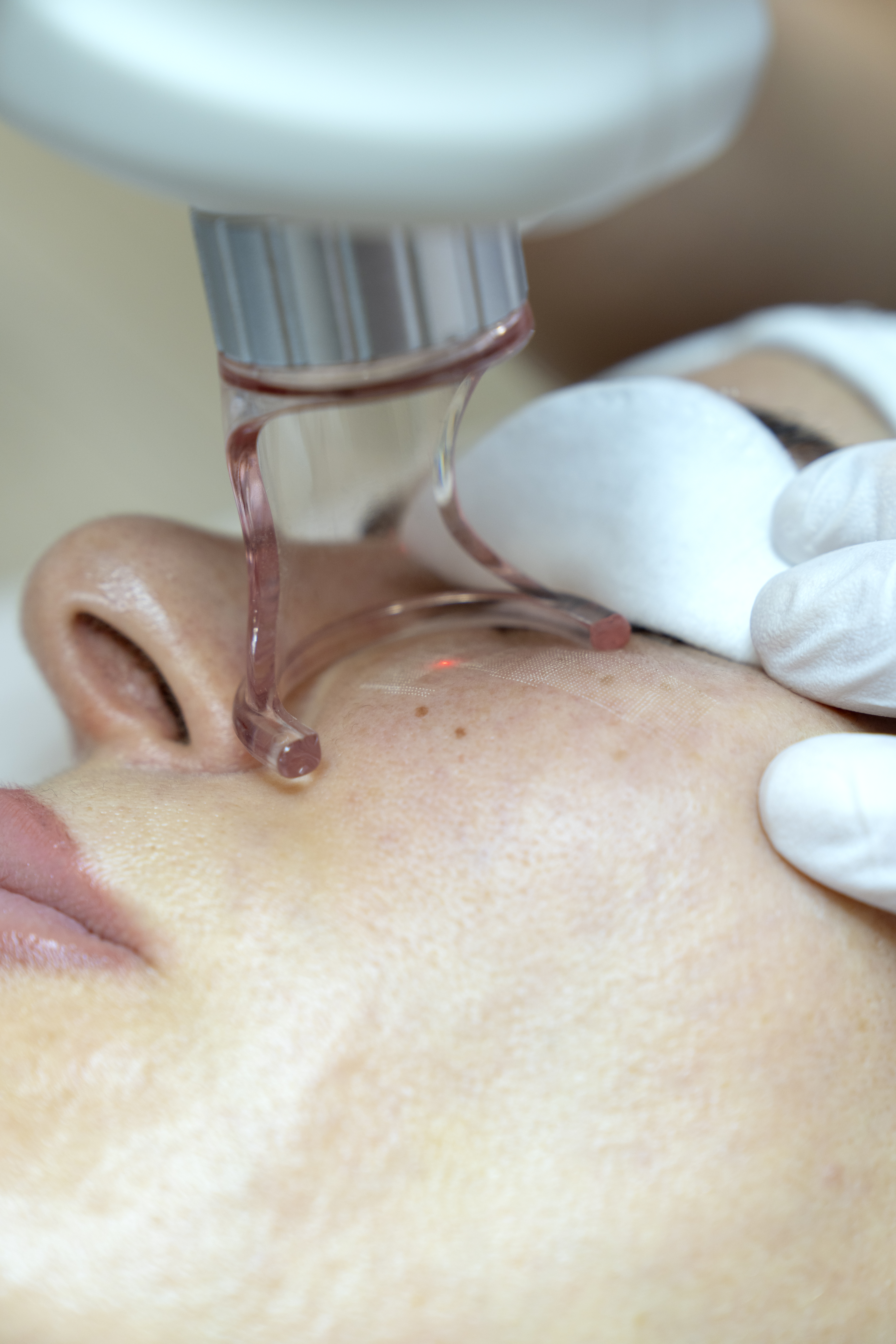
Laser and device-based aesthetic treatments
Nordlys IPL
During an IPL (Intense Pulsed Light) treatment, intense light energy is delivered into the deeper layers of th…
Details →
Laser and device-based aesthetic treatments
Morpheus8
Morpheus8 is a modern radiofrequency microneedling skin-tightening treatment that combines microneedling techn…
Details →What our patients say
Subscribe to our newsletter
Don't miss our updates, exclusive offers and inspiring content.
By subscribing you accept our Privacy Policy. You can unsubscribe at any time.